

17.09.2026
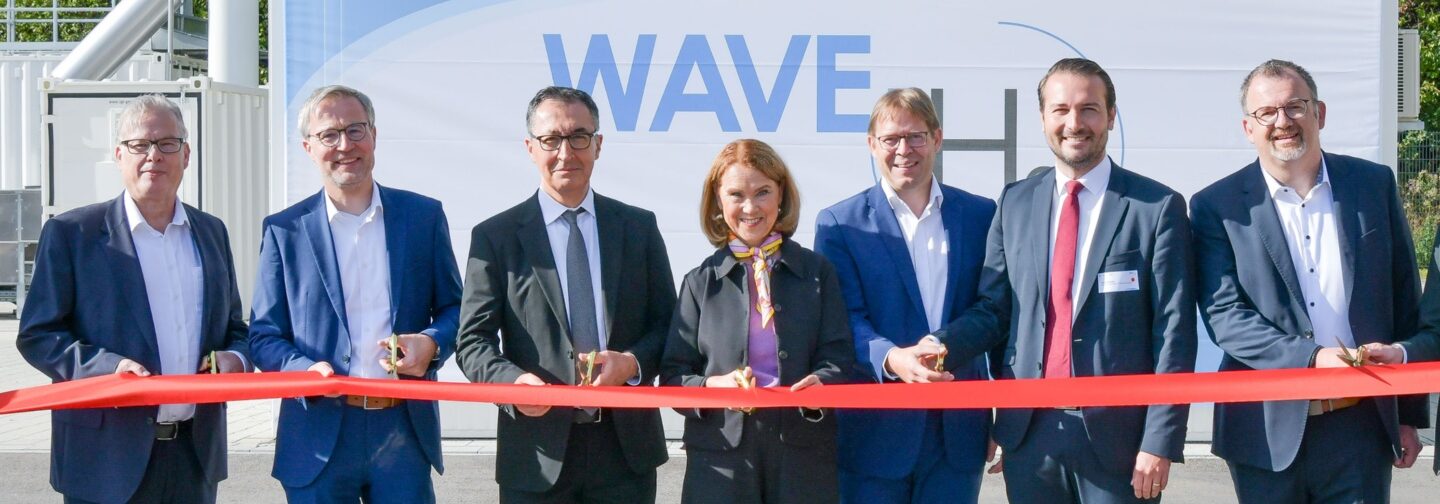
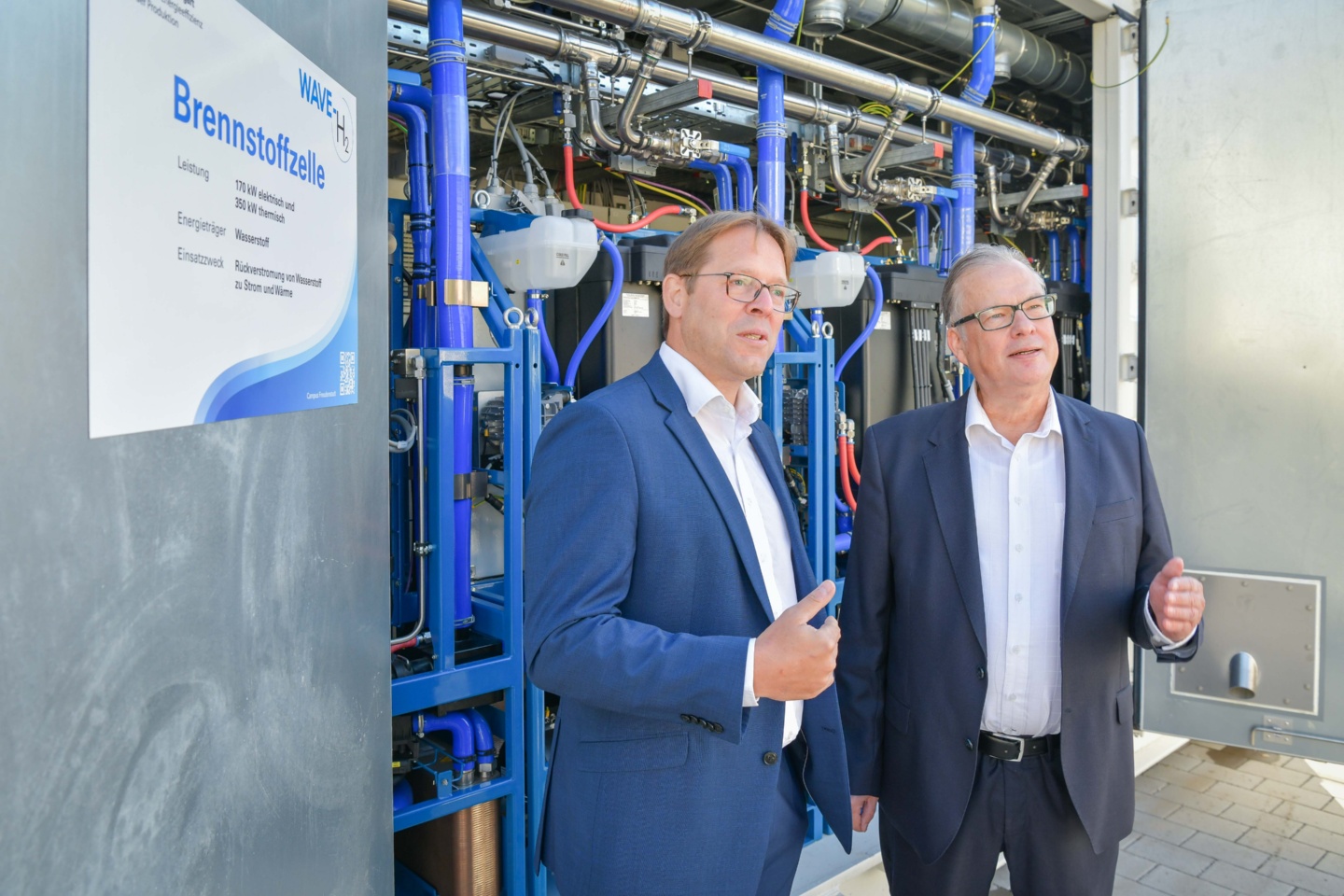
Reducing industry’s reliance on fossil fuels while making industrial processes more flexible, resilient, and climate-neutral: this is the goal of WAVE-H2, an industrial research platform funded by the German Federal Ministry of Research, Technology and Space. The University of Stuttgart’s new research and transfer facility in Freudenstadt provides companies developing equipment, components, and software for industrial applications with a real-world environment to develop new energy and hydrogen technologies, integrate them into existing systems, and test them at industrial scale.
Bringing innovation from the lab into practice
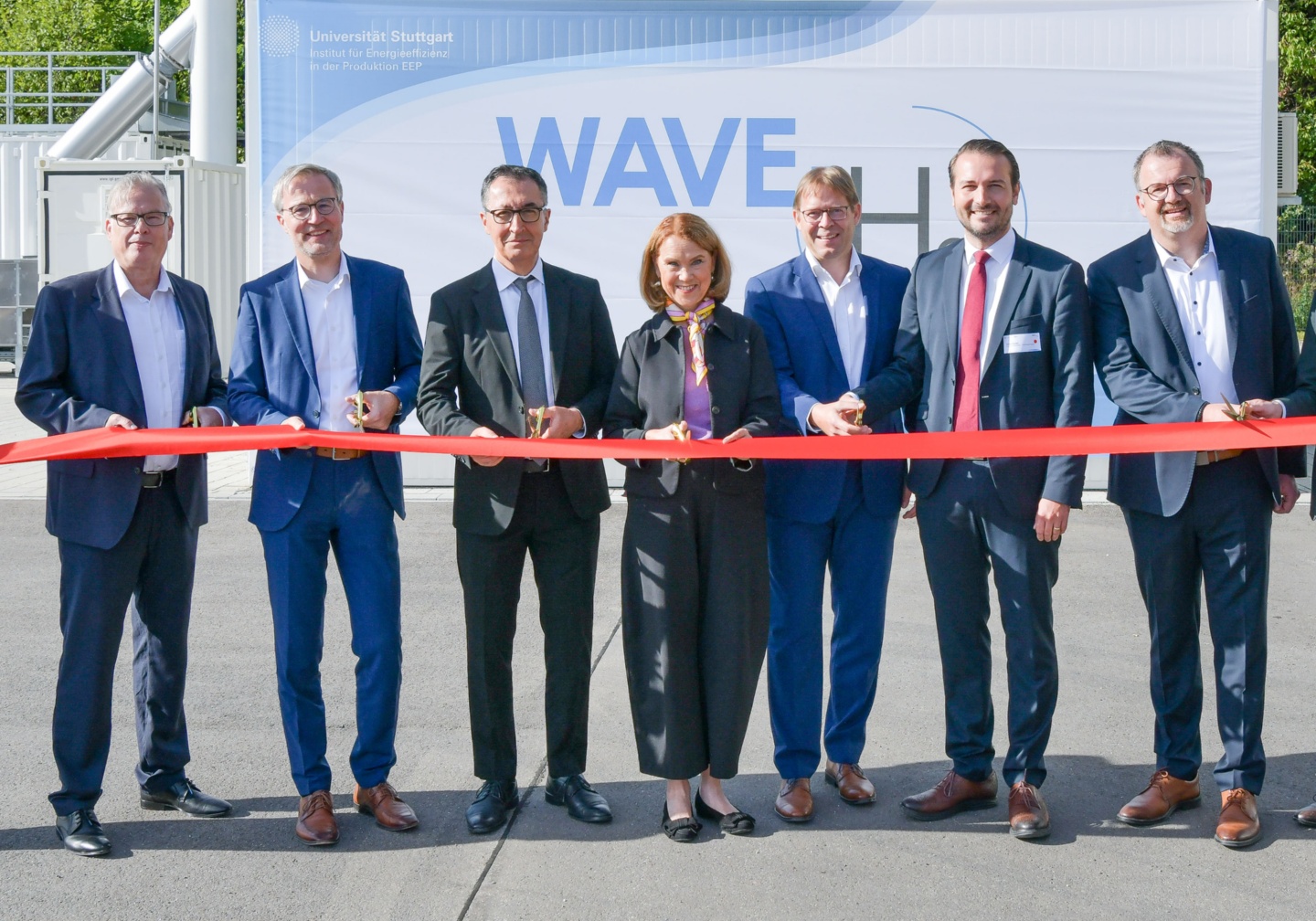
“With WAVE-H2, we have created something that many have been working towards for years: a hydrogen test environment at industrial scale,” said Dorothee Bär, Federal Minister of Research, Technology and Space, at the official launch of WAVE-H2 in Freudenstadt. “This will accelerate the transition from innovation to industrial application and help companies adopt more sustainable production methods, strengthening both the region and Germany’s industrial base.”
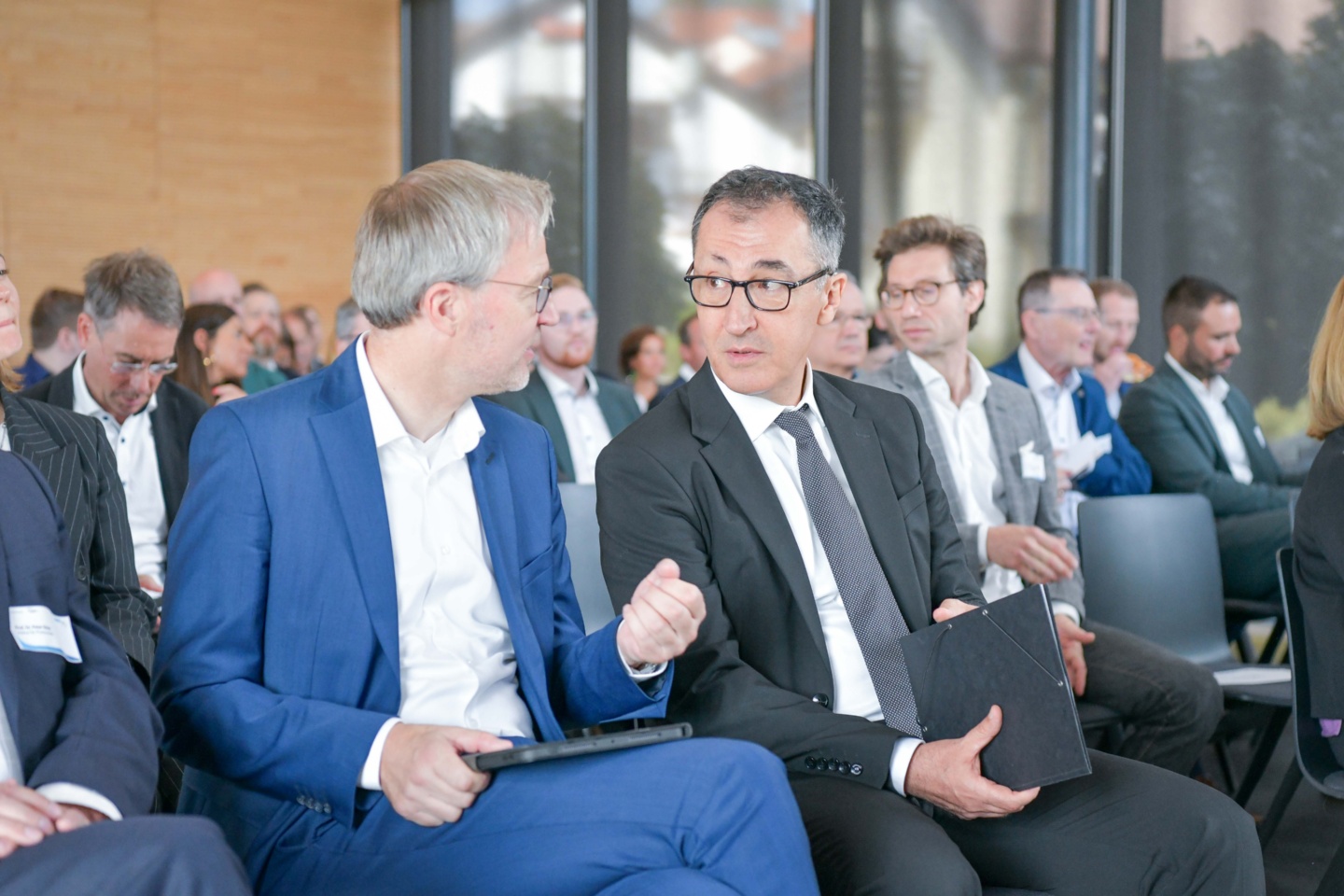
“If we want to meet our climate targets while securing long-term prosperity, we need to translate research and innovation into practical solutions. Hydrogen will play a key role in this,” said Cem Özdemir, Minister-President of Baden-Württemberg. “WAVE-H2 creates the conditions to do exactly that, bringing science and industry together to transform promising research into solutions that companies can put into practice. In this way, ideas developed through research can reach the industries and applications where they are needed.”
“The WAVE-H2 platform in Freudenstadt is a strong example of how research and industry can work together. It combines access to cutting-edge research with testing and development infrastructure and collaborative partnerships from the outset,” said Petra Olschowski, Baden-Württemberg Minister of Science, Research, and the Arts. “This creates the conditions for faster innovation cycles and close exchange between research and industrial practice, while strengthening the region for the future. By working together, we can develop solutions to the challenges of decarbonisation and future energy supply.”
Covering the entire hydrogen value chain
The new industrial research platform in Freudenstadt marks the launch of the second WAVE-H2 site. It complements the WAVE-H2 innovation modules at the ARENA 2036 research campus in Stuttgart-Vaihingen, which opened in January 2026. “We are proud of this new infrastructure, which brings research and knowledge transfer together,” said Prof. Peter Middendorf, Rector of the University of Stuttgart. “It provides an ideal environment for researching sustainable energy solutions and translating them into practice, helping to make industry more climate-neutral and drive the transformation of the economy.”
WAVE-H2 covers the entire hydrogen value chain, from hydrogen production and power-to-X technologies to the development of chemical hydrogen storage and fuel cell technologies, as well as decentralised hydrogen use. Researchers and industry partners use the innovation modules in Stuttgart for laboratory-scale experiments, while the industrial research platform in Freudenstadt now enables testing at industrial scale. The University of Stuttgart’s Institute for Energy Efficiency in Production (EEP) and Institute for Photovoltaics (ipv) established WAVE-H2 and operate the new research and transfer infrastructure.
Making production systems more energy-efficient and flexible
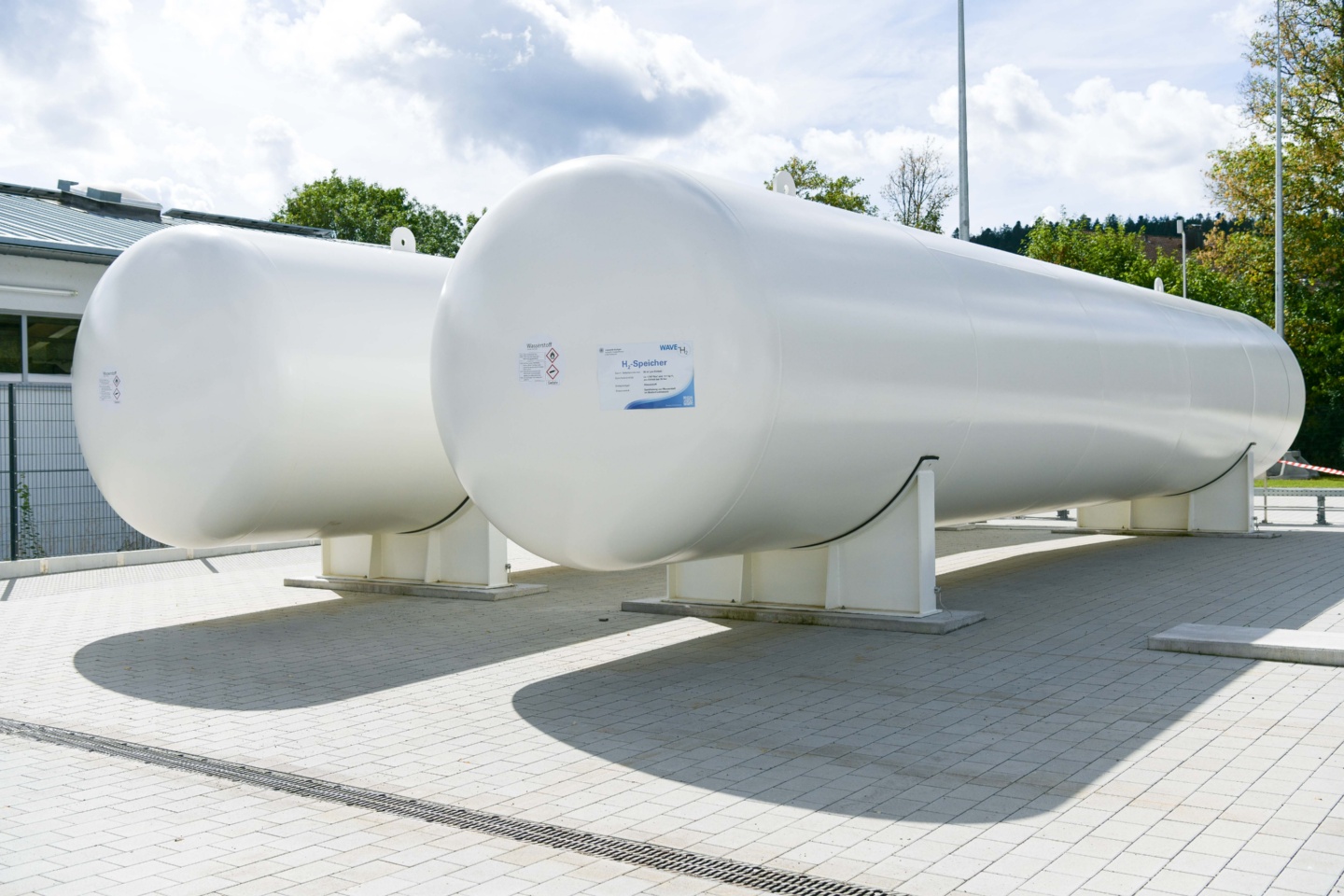
“Technologies that integrate green hydrogen offer industry an additional pathway towards climate neutrality,” said Prof. Alexander Sauer, Director of EEP, and Prof. Peter Birke, Head of the Electrical Energy Storage Systems Department at ipv. “Green hydrogen can make industrial production more sustainable, particularly in processes requiring high temperatures and where direct electrification is only feasible to a limited extent.” For example, hydrogen can replace fossil natural gas in industrial burners and furnaces used for processes such as melting, hardening, drying, and recycling, significantly reducing CO₂ emissions. In addition, surplus electricity from renewable sources can be converted into hydrogen using electrolysers and stored for later use. When needed, the hydrogen can be used in fuel cells or combined heat and power units to provide electricity and heat for production facilities.
WAVE-H2 provides the infrastructure to investigate and test these technologies, and their interaction, under realistic conditions at both laboratory and industrial scale. The platform extends beyond the development and testing of individual hydrogen technologies, such as electrolysers, by integrating them into digitalised, AI-enabled production systems designed for resilience, energy efficiency, and flexibility.
Integrating different energy users
Research at the WAVE-H2 Campus Vaihingen includes the production of hydrogen through electrolysis and its subsequent conversion into products such as methanol or ammonia. A fuel cell test rig provides the infrastructure to investigate the conversion of hydrogen’s chemical energy into electricity and heat. At the WAVE-H2 Campus Freudenstadt, research focuses on both individual components and systems, and on the dynamic generation, conversion, storage, and use of energy within integrated industrial systems. By integrating different energy-consuming systems, the platform enables hydrogen to be used flexibly in production processes, supporting a cost-effective and resilient energy supply.
Source: © University of Stuttgart, Dr Jutta Witte
Images: © University of Stuttgart, Max Kovalenko