
Goals
Idea. Technology. Future.
Goals
Idea. Technology. Future.

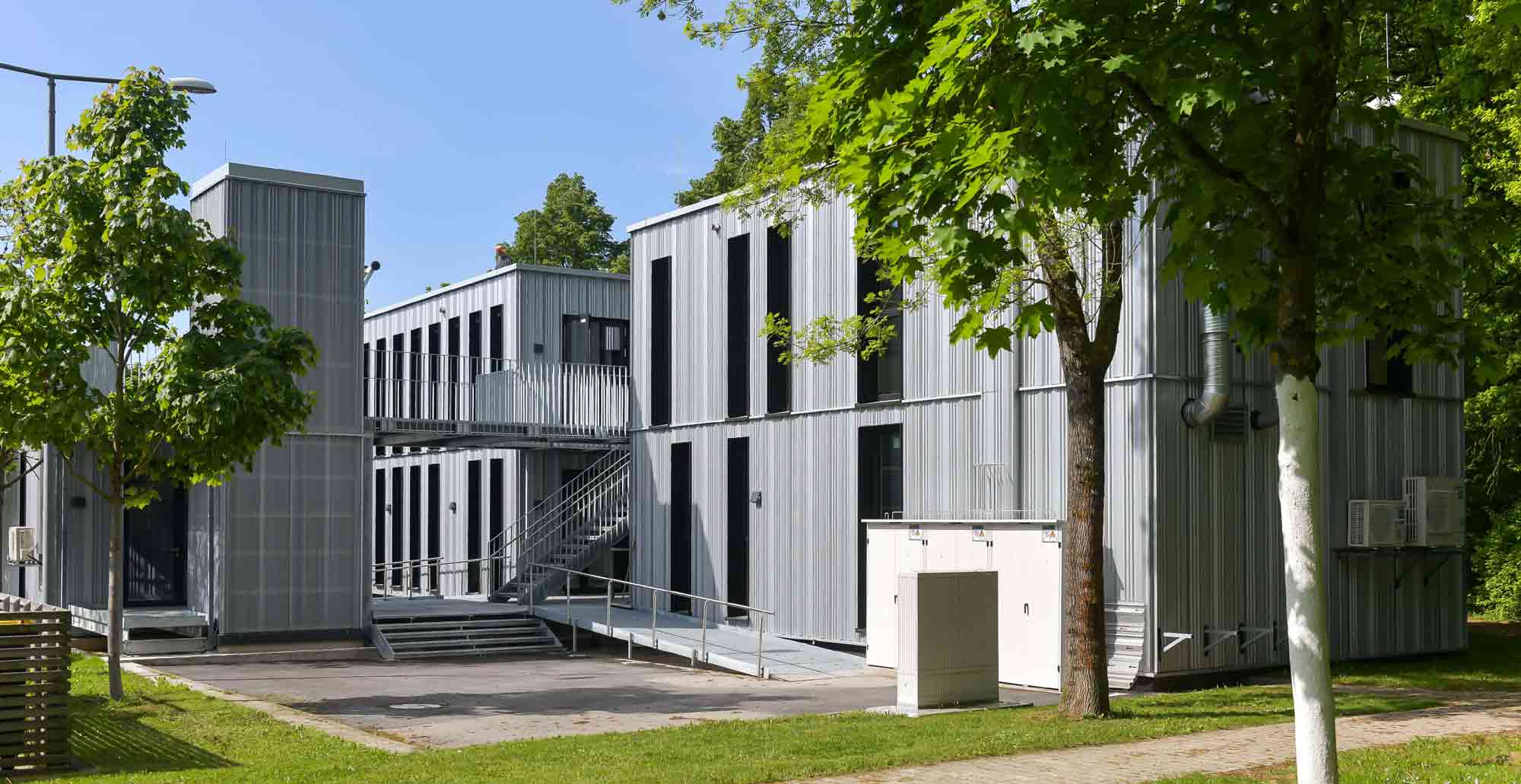
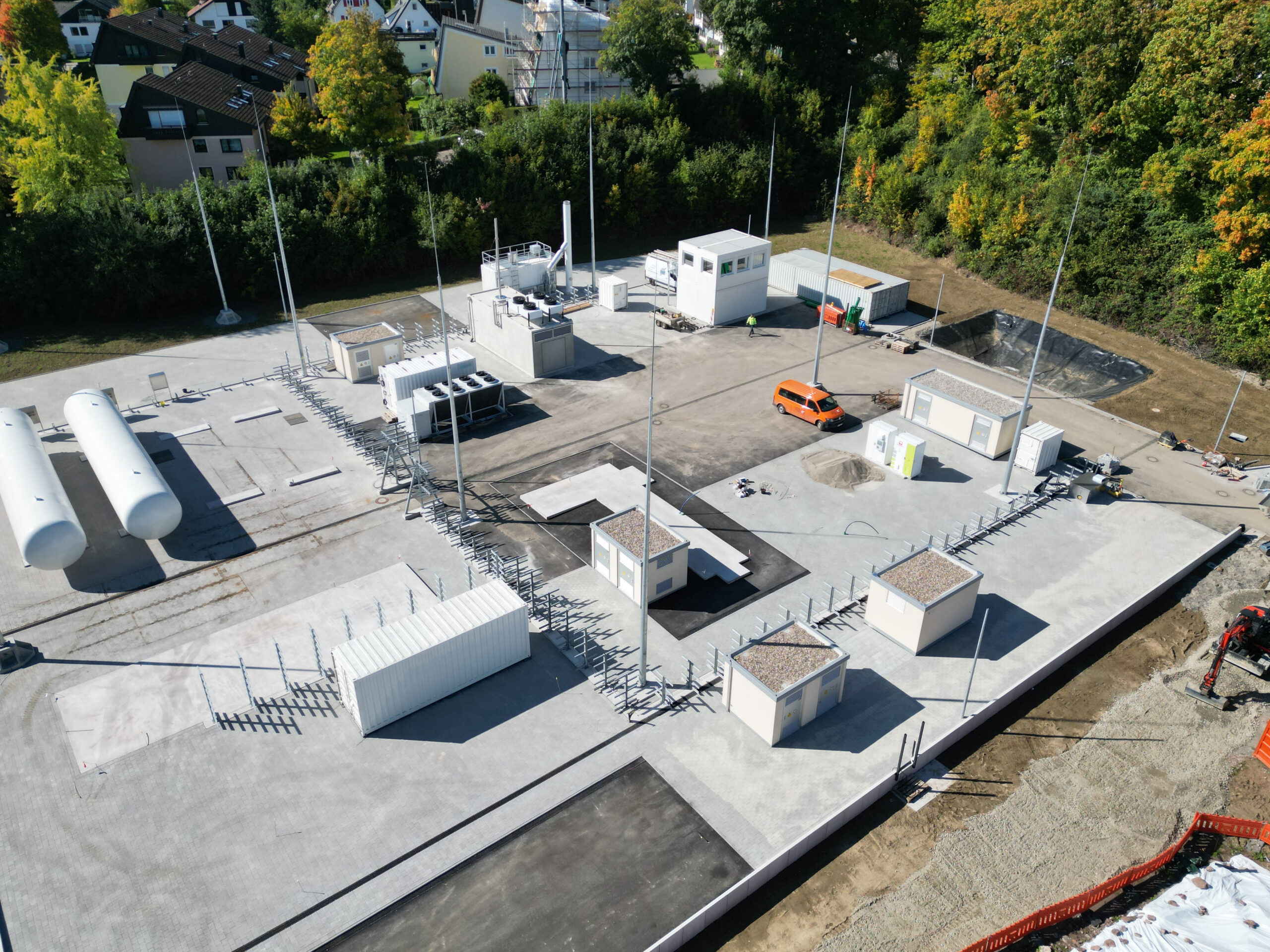
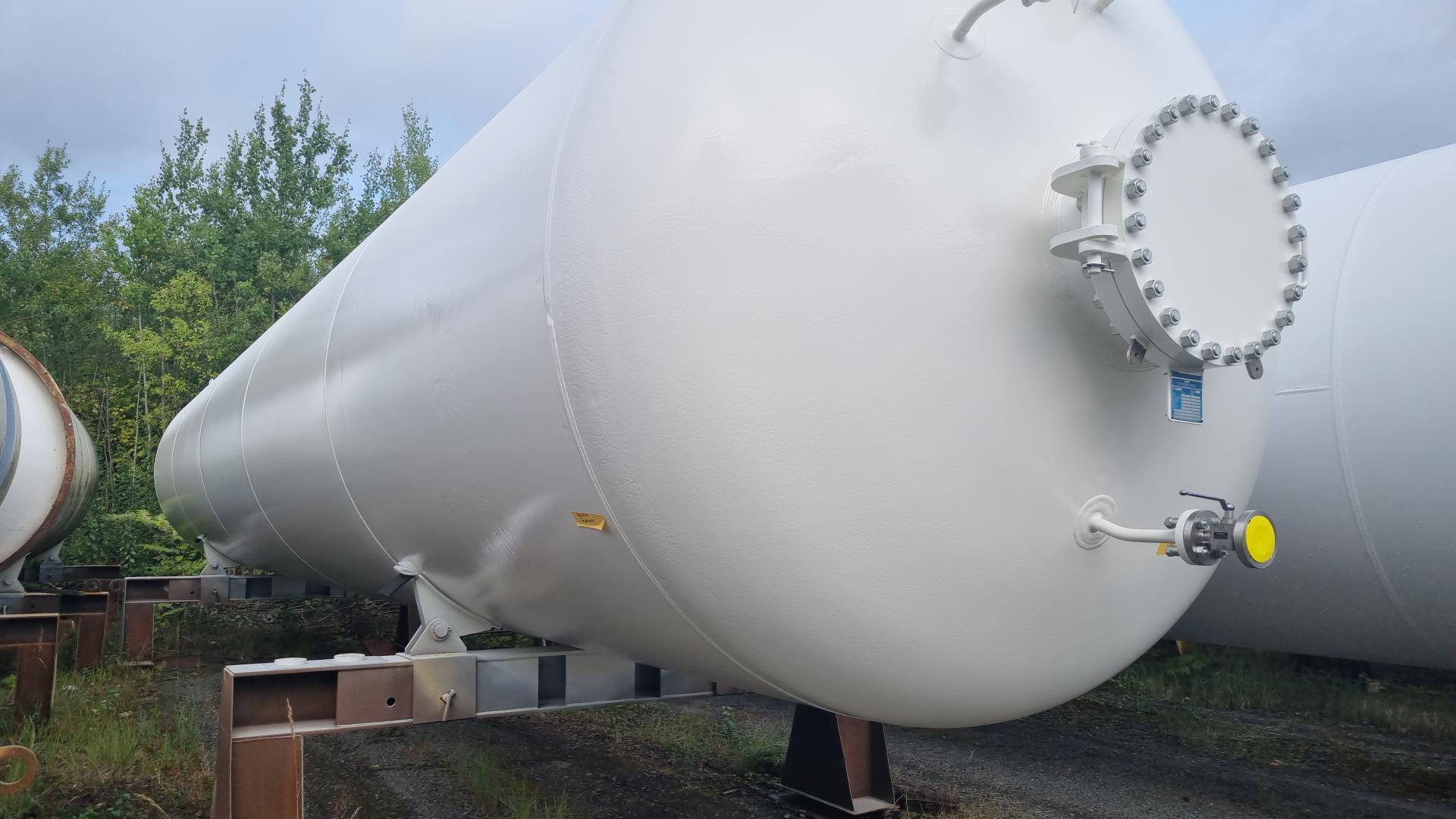
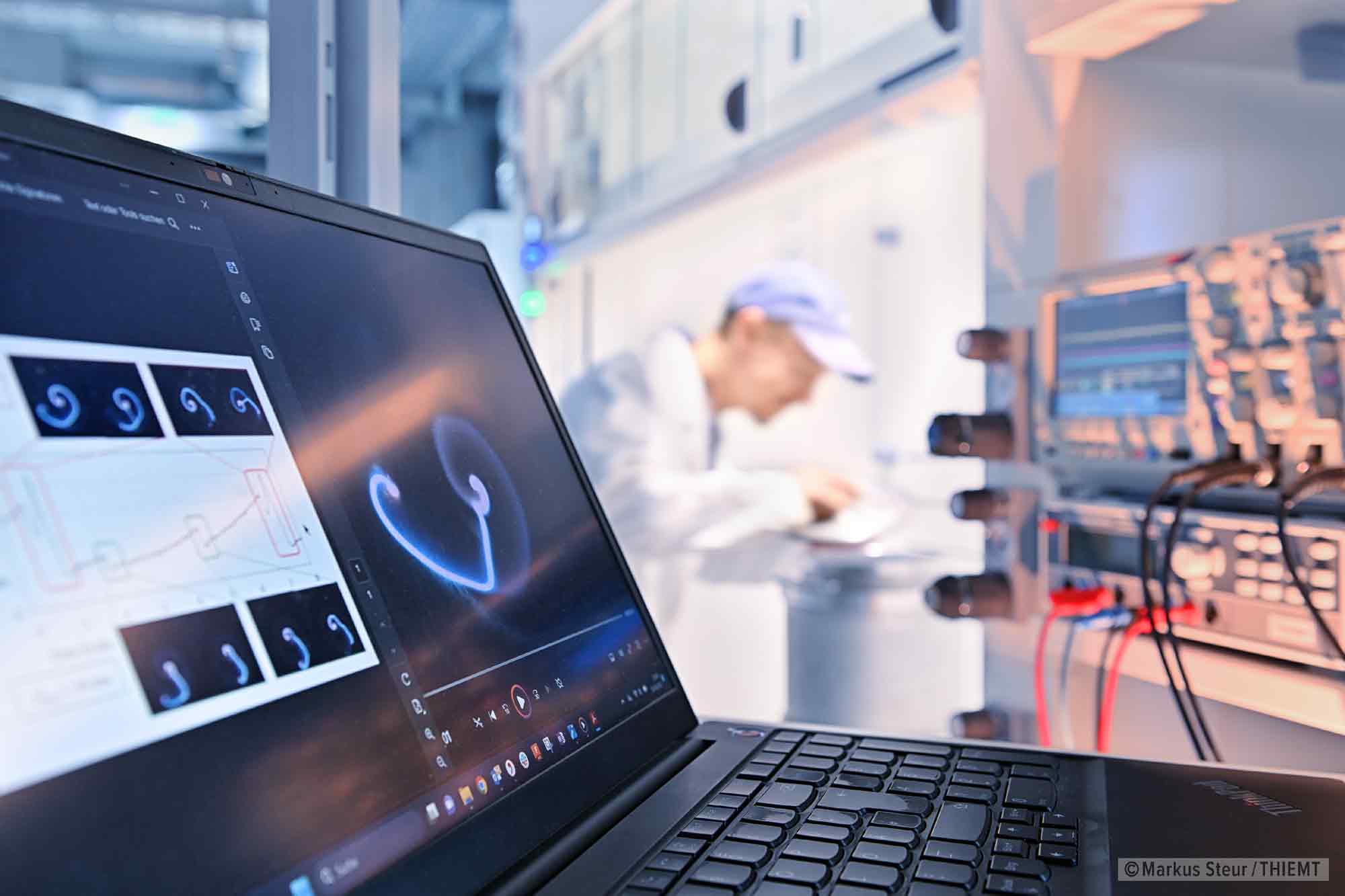
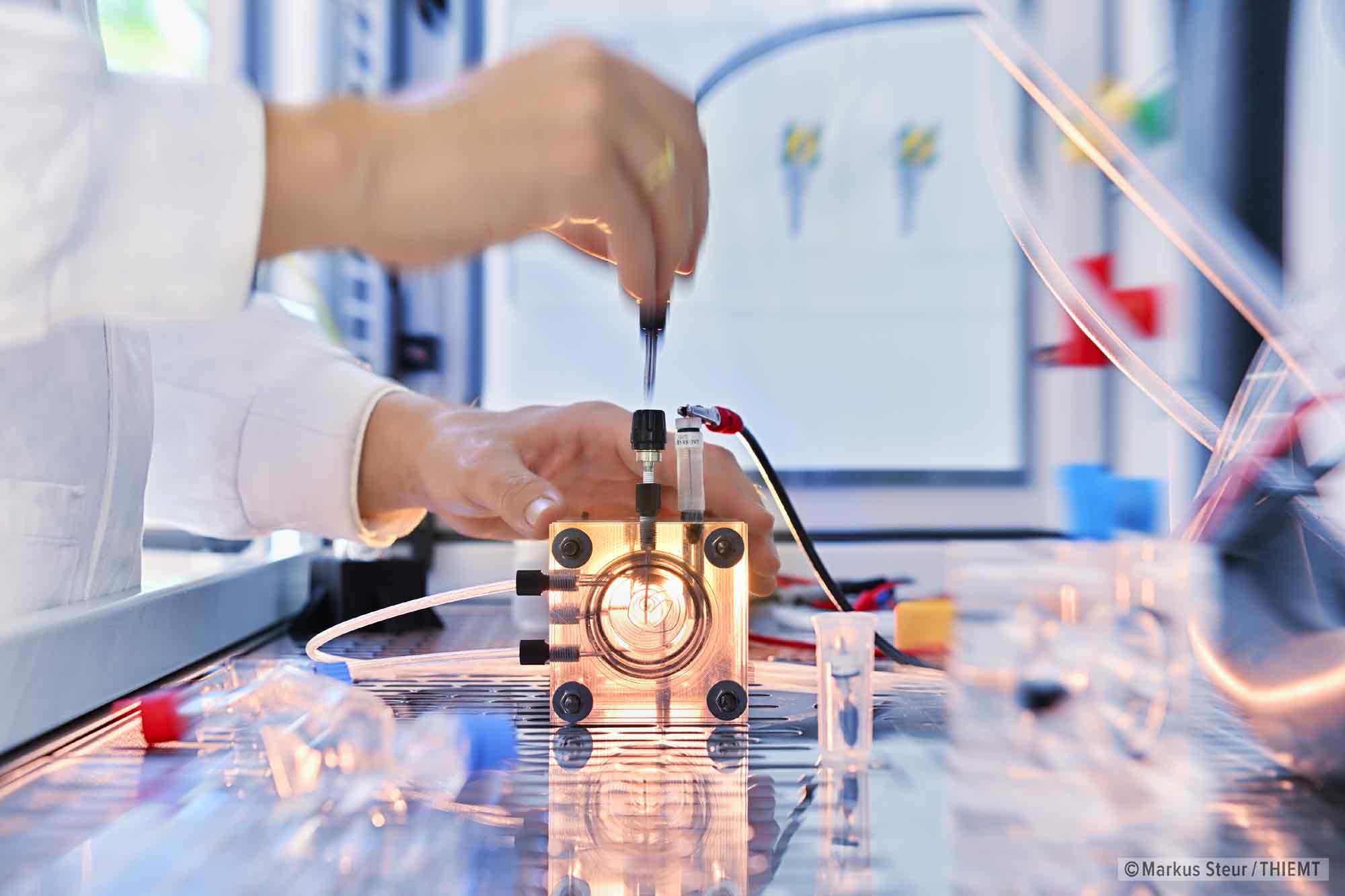
WAVE-H2 develops energy systems that are economically viable, flexible, and scalable.
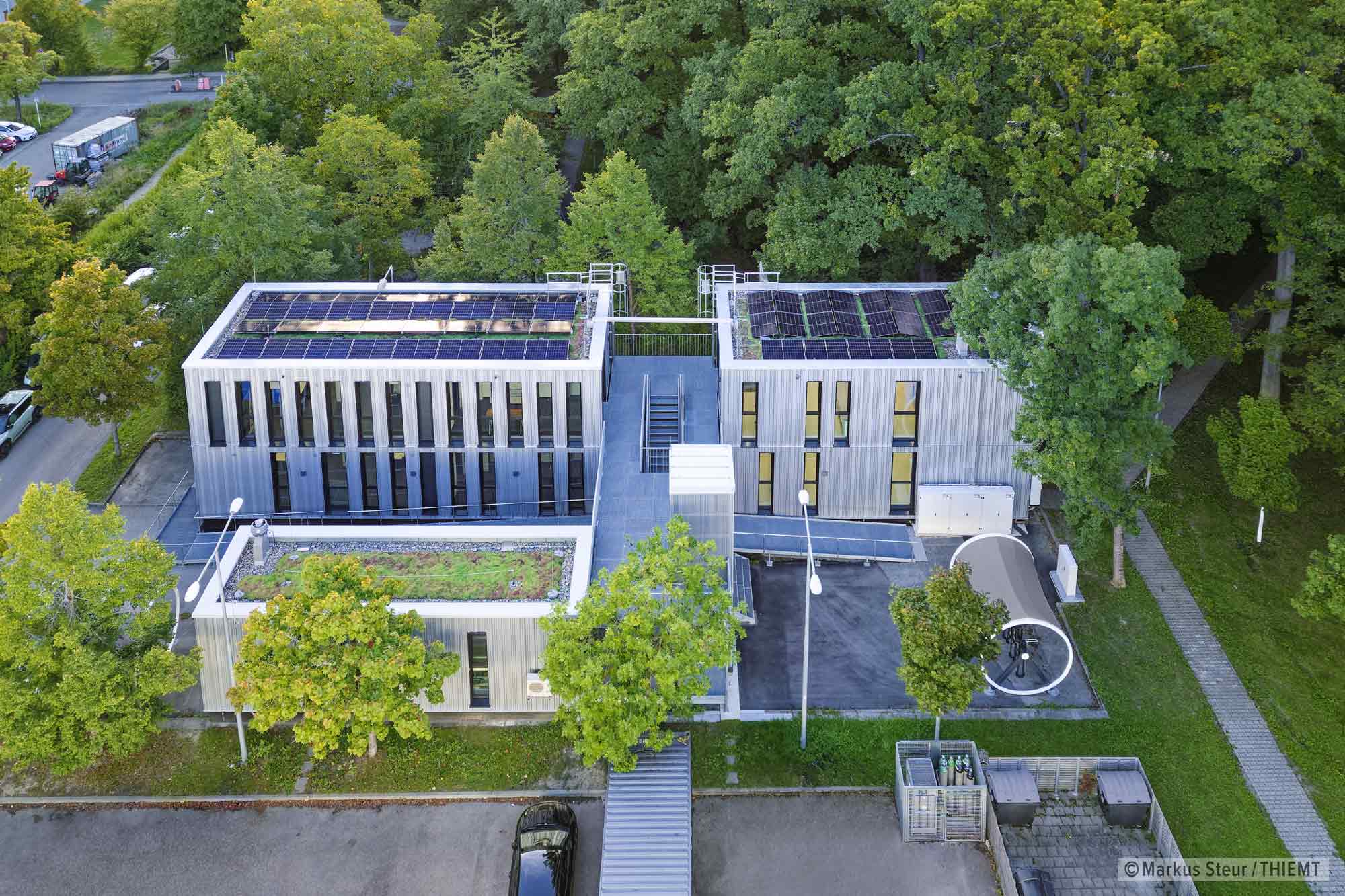
The research platform, established by the Institute for Energy Efficiency in Production (EEP) and the Institute for Photovoltaics (ipv) at the University of Stuttgart, combines scientific innovation with practical implementation of new technologies. WAVE-H2 strengthens the competitiveness of manufacturing companies and serves as a launchpad for a cost-effective and climate-neutral future.
We enable the practical development, integration, and optimization of technologies for sector coupling across electricity, heat, and gas – with a focus on hydrogen systems, energy storage, heating networks, and data-driven operation.
We support companies in developing efficient, decentralized energy systems based on bivalent and DC-enabled technologies. In collaboration with equipment manufacturers, we advance hydrogen-ready and energy-flexible industrial solutions and accelerate innovation in mechanical and plant engineering.
What sets us apart
By connecting research and industry, WAVE-H2 accelerates innovation cycles and enables rapid transfer of results into practice. Highlights include:
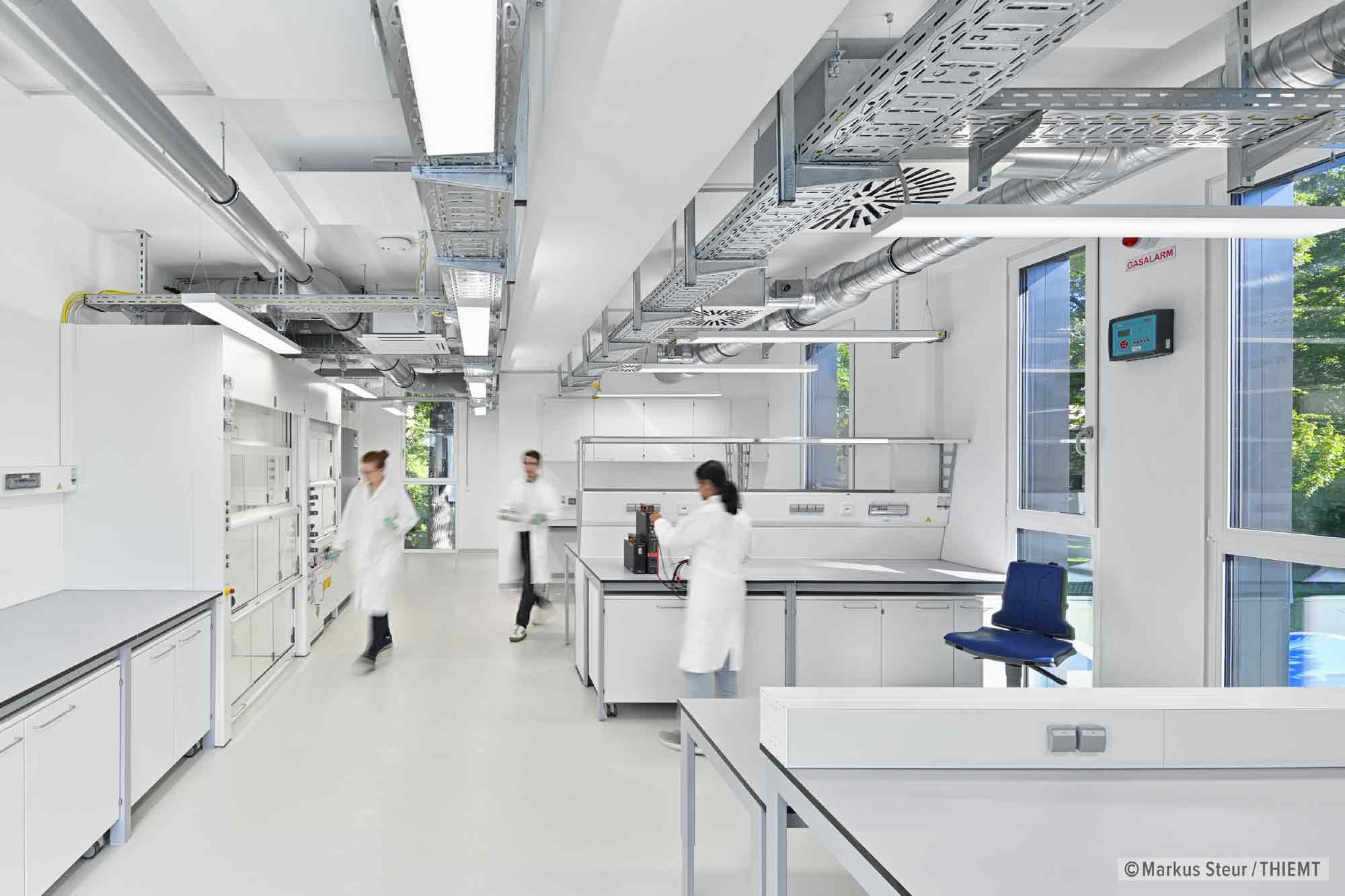
WAVE-H2 integrates electricity, heat, and gases into a connected energy system – including hydrogen, storage, and a DC grid. It provides a real-world environment to test system interactions, flexibility, and resilience.
Components, storage systems, and loads can be flexibly integrated, replaced, and expanded via the innovation centers, enabling seamless integration, comparison, and upgrades during operation.

Digital twins combine measurement data, simulation, and system evaluation, enabling virtual testing and real-time validation of integration concepts, scenarios, and control strategies.

Upstream research at the Vaihingen site (e.g., plasma catalysis, ammonia electrolysis) is integrated into the overall system and continuously improved through feedback.
Benefits & Applications
WAVE-H2 provides equipment manufacturers and operators, especially SMEs, with test environments and data to design efficient, flexible, and scalable energy systems that combine electricity, heat, and gases.
Focus areas
- From standalone systems to integrated solutions: We analyze and test how generation, storage, DC technologies, and loads interact under dynamic conditions within integrated energy systems.
- From lab to real-world applications: We validate technologies under realistic conditions and deploy them in industrial applications.
- AI-driven operational optimization: We use digital twins and intelligent algorithms with real-time data to improve efficiency, resilience, and cost-effectiveness.
- Power-to-X applications: We integrate electricity, heat, and gases to expand system capabilities and enable new use cases.
- Materials and surface engineering: We develop, synthesize, and test new functional materials and coatings under real operating conditions.