
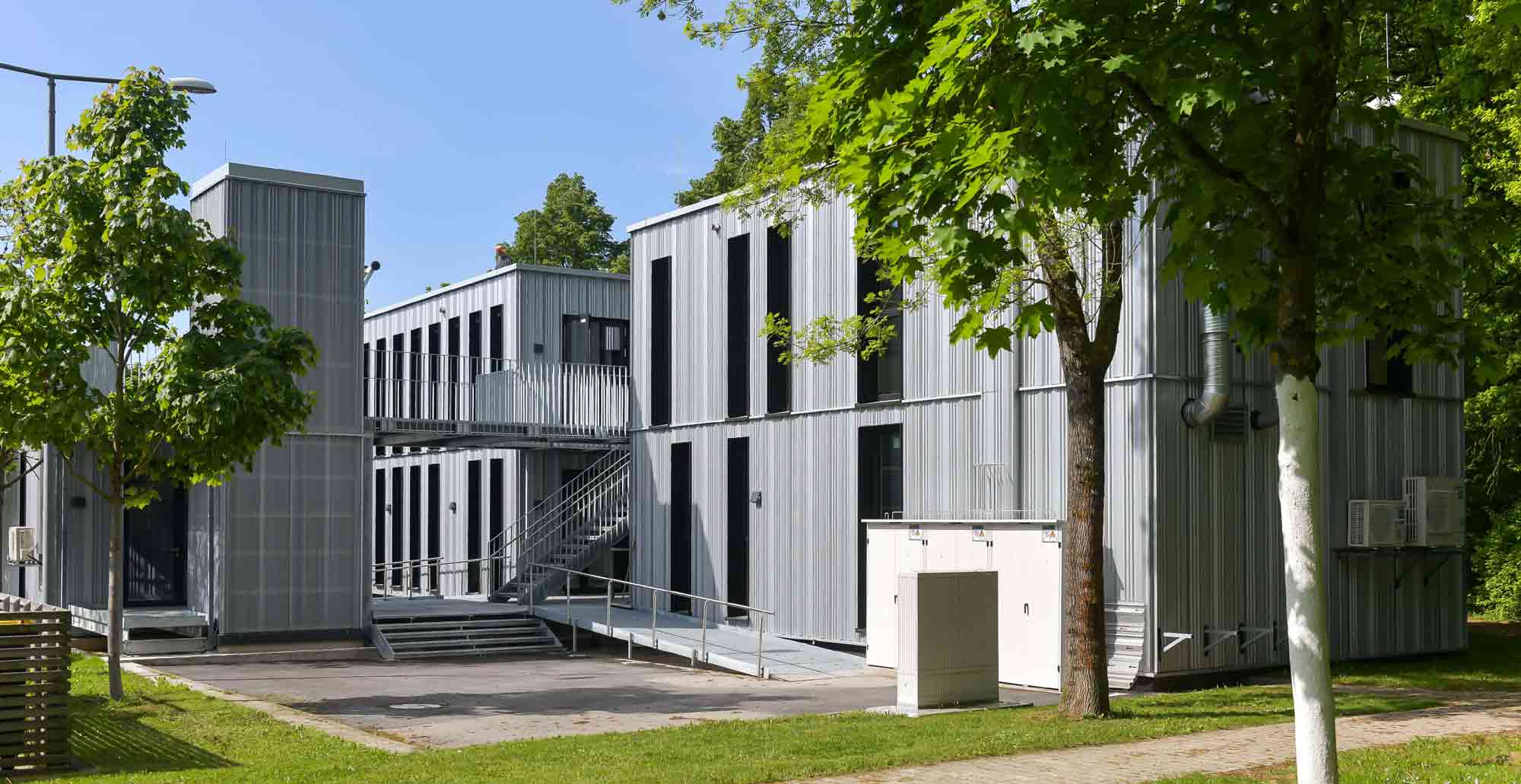
WAVE-H2 Campus Vaihingen
Innovation Modules
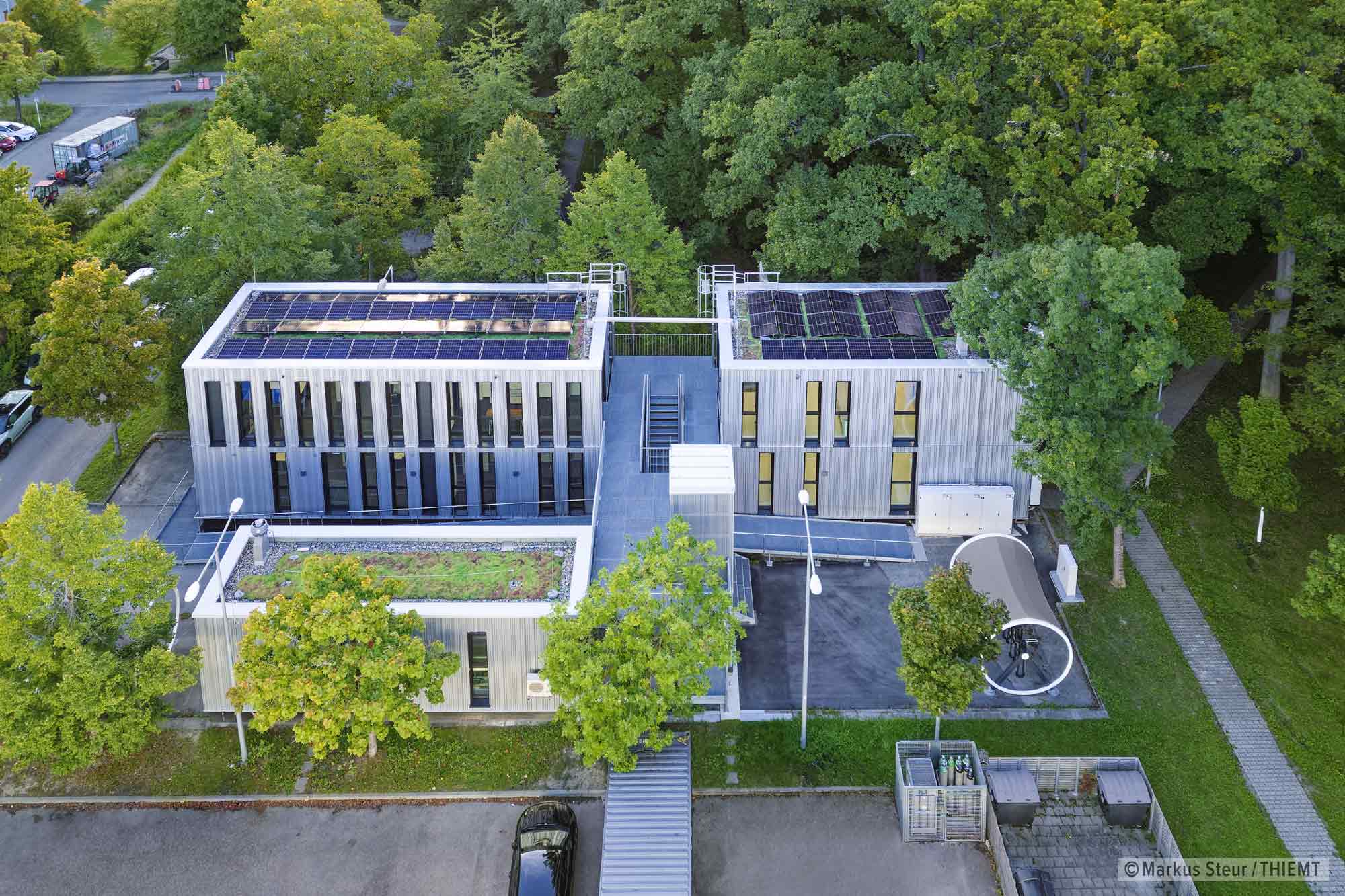
WAVE-H2 campus Vaihingen
Innovation Modules

Analytics & in-situ characterization
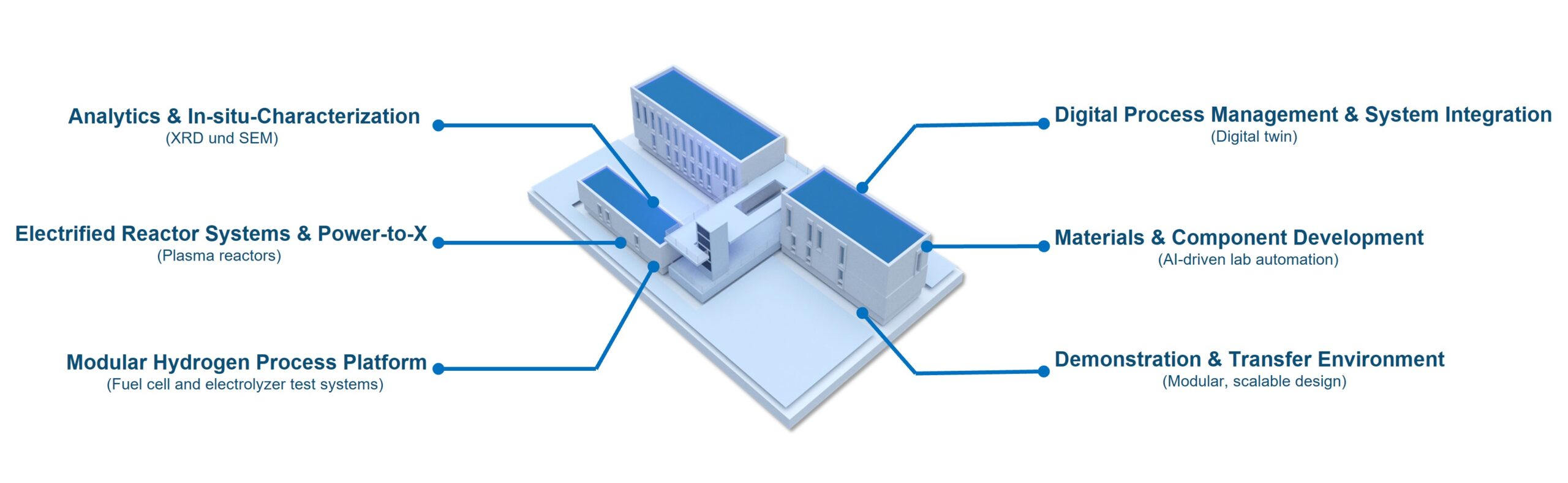
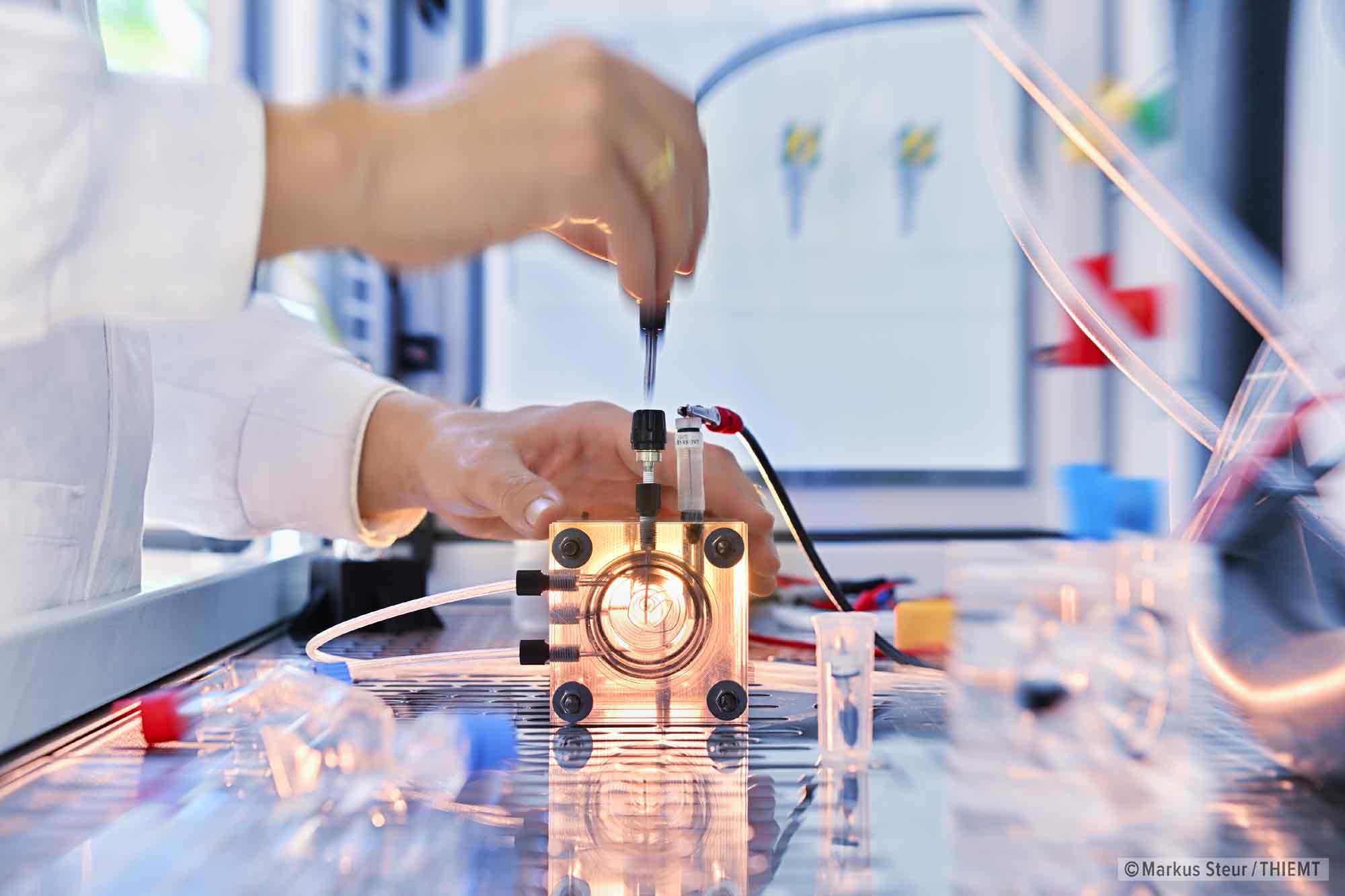
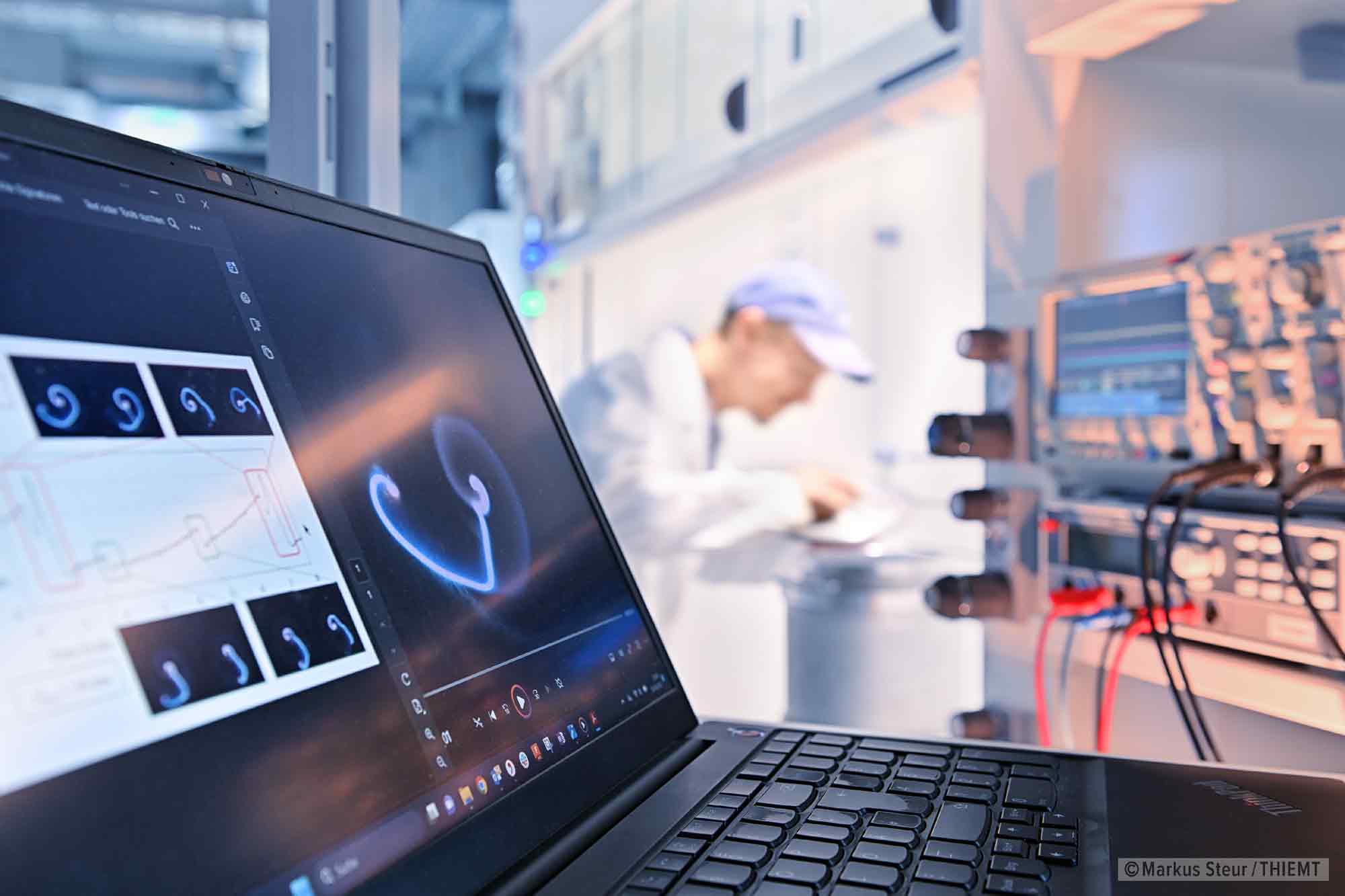
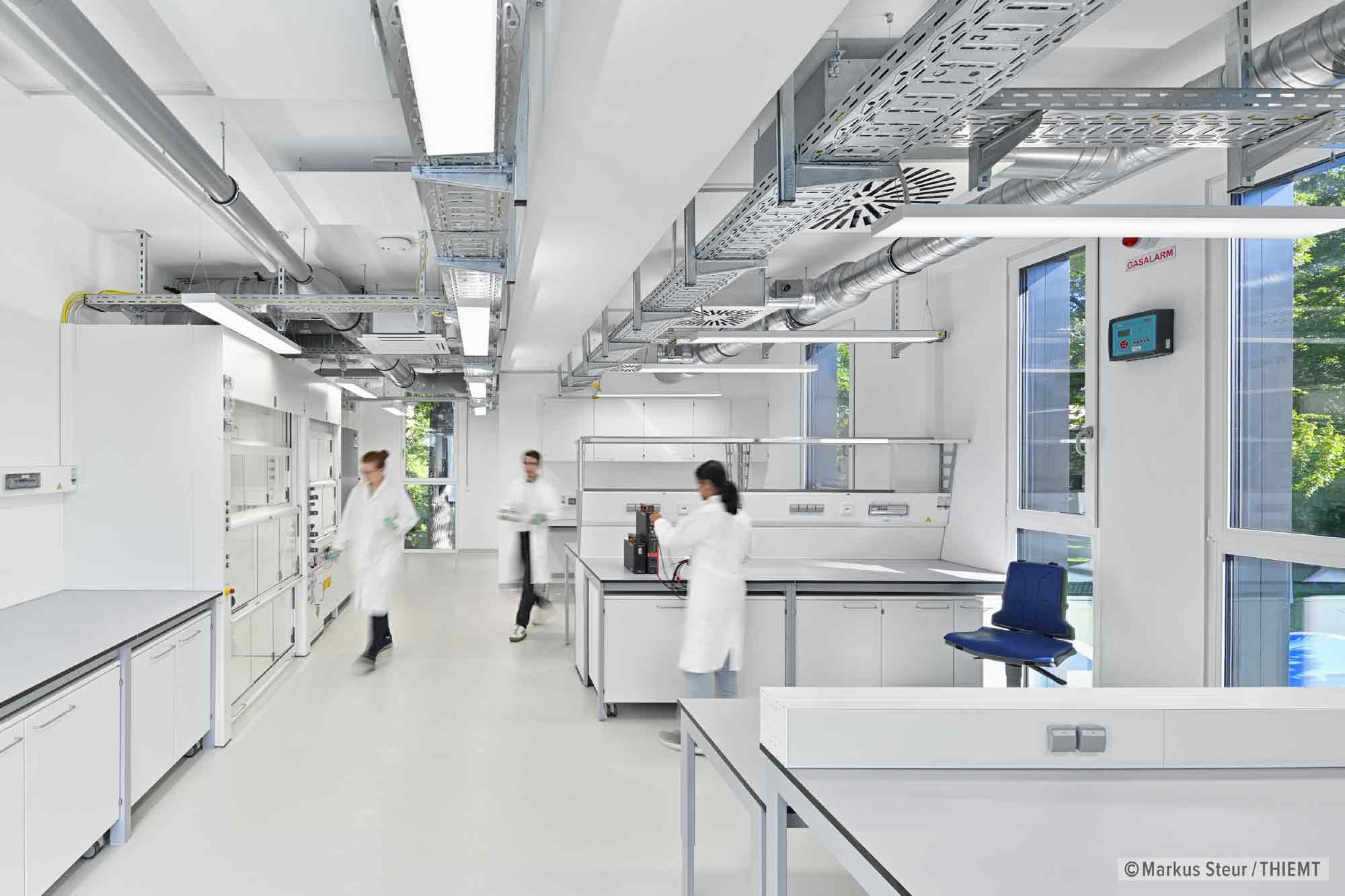
Comprehensive analytics and in-situ characterization are essential for understanding and optimizing the complex processes within reactor systems.At the Vaihingen site, a wide range of advanced measurement methods is available, covering gas-phase analysis as well as surface and material characterization, including Raman spectroscopy, X-ray diffraction, and scanning electron microscopy. Operando approaches enable processes to be observed directly under real operating conditions and analyzed over time. This makes it possible to identify reaction pathways, intermediates, and degradation mechanisms. The close integration of analytics and process operation provides a solid data foundation for advancing materials, reactor systems, and entire process chains.
Electrified reactor systems & Power-to-X
The infrastructure centers on pilot-scale electrified reactor systems that convert electrical energy directly into chemical processes. These include plasma-based reactors, catalytic systems, and hybrid concepts designed for Power-to-X applications. The platform enables the study of reaction mechanisms, conversion processes, and energy efficiency under different operating conditions. By combining different reactor types, new pathways can be explored for converting CO₂, nitrogen, and biogenic gases. The goal is to develop scalable, resource-efficient technologies that will play a key role in future electrified value chains.
Modular hydrogen process platform
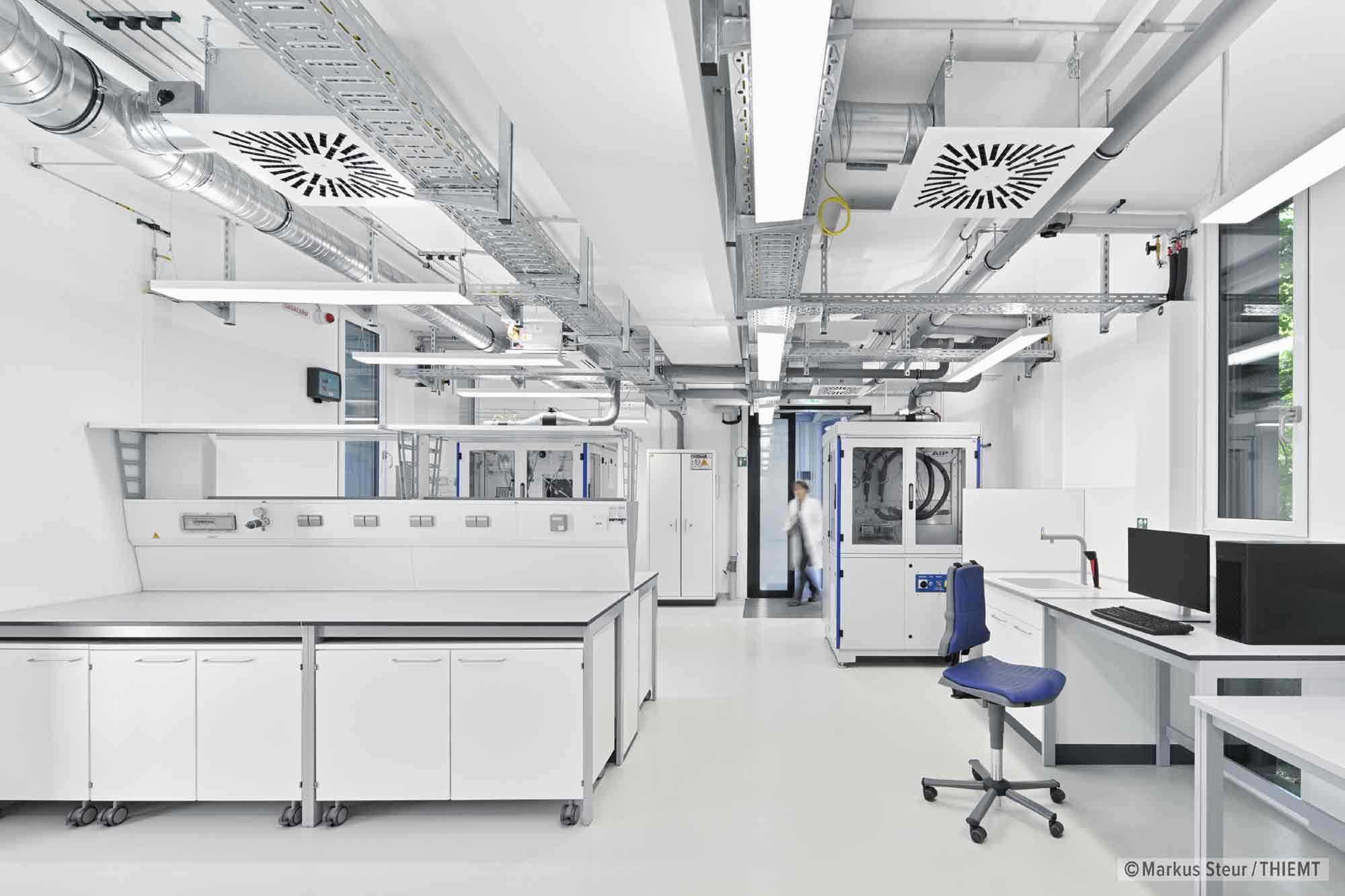
The modular hydrogen process platform features two fully automated test systems at the kilowatt scale, enabling flexible integration of electrolysis, gas treatment, storage, and utilization. Standardized interfaces and a scalable media supply allow different process chains to be configured quickly and operated under realistic conditions. The infrastructure supports both steady-state and dynamic operation, making it possible to study load changes, system integration, and cross-sector applications. The platform enables the analysis of entire process chains and provides a basis for evaluating efficiency, robustness, and scalability. This creates a consistent pathway from lab-scale setups to more complex, integrated energy systems.
Digital process management & system integration
Digital process management is key to running complex test systems efficiently and consistently. By combining sensors, automation, and data platforms, processes can be monitored, controlled, and continuously improved. Model-based and data-driven approaches help develop operating strategies and predict system behavior. The infrastructure also enables different technologies to be connected into integrated systems, where material and energy flows are aligned. This creates a digital representation of the processes and provides a basis for evaluating new production concepts using techno-economic analysis.
Materials & component development
The development and optimization of functional materials and components is a key focus of the infrastructure at the Vaihingen site. Electrodes, catalysts, coatings, and other reactive materials are developed and tested specifically for use in electrified processes. Close integration of materials development and process environments enables rapid iteration and evaluation under realistic operating conditions. Both structural and functional properties are analyzed to improve performance and long-term stability. The infrastructure also provides an ideal environment for advancing next-generation lab automation.
Demonstration & transfer environment
The demonstration and transfer environment at the Vaihingen site bridges the gap between research and real-world applications. It allows processes to be operated and validated at pilot scale and further developed in close collaboration with industry partners. The infrastructure supports testing under realistic conditions and enables the evaluation of system performance. It also provides a platform for co-development and knowledge exchange between research and industry. This accelerates the transfer of innovative technologies into industrial value chains and supports their successful market adoption.